When Antidepressants Aren't Enough: Depression Treatments Beyond Another Pill


A common situation: someone has tried two or three antidepressants. Each helped a little, or helped for a while, or didn't help at all. The assumption is that the next step must be a fourth medication. Sometimes it is. But it is no longer the only option, and for some people it isn't the best one.
Roughly one in three people with depression do not get full relief even after trying several medications. That is not a personal failure, and it does not mean nothing will work. It means it is time to widen the search.
First, Recheck the Basics
Before moving to a different kind of treatment, it is worth confirming a few things:
Is the diagnosis right? Bipolar depression, ADHD, thyroid disease, and sleep apnea can all look like depression that "won't respond," and each needs a different approach.
Were the medication trials adequate? A fair trial means a sufficient dose for long enough, usually several weeks.
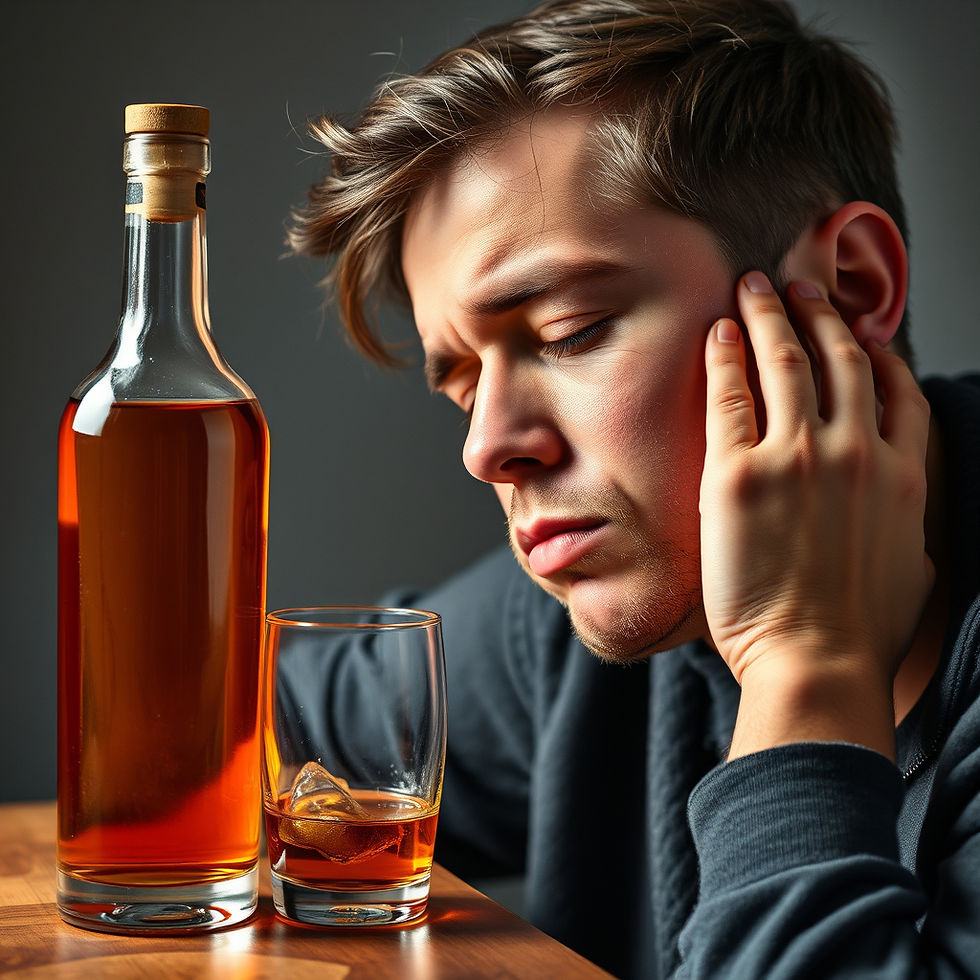
Is something working against treatment? Regular alcohol use, poor sleep, and some medications can blunt the effect of an antidepressant. We wrote about one common example in alcohol's anxiety rebound.
If those boxes are checked, the options below are worth knowing about.
Psychotherapy
It is easy to overlook, but structured therapy such as cognitive behavioral therapy is as effective as medication for many people with depression, and the combination of the two generally works better than either alone. If therapy has not been part of treatment so far, it is often the most sensible next step.
Transcranial Magnetic Stimulation (TMS)
TMS uses magnetic pulses, delivered through a coil resting against the scalp, to stimulate a part of the brain involved in mood regulation. You are awake the whole time, there is no anesthesia, and you can drive yourself home.
Who it's for: adults whose depression has not improved enough with medication. The FDA first cleared TMS for depression in 2008.
What it involves: traditionally, a session each weekday for about six weeks, roughly 30 to 36 treatments.
Side effects: scalp discomfort and headache are the most common. Seizure is a rare risk.
Coverage: most insurers cover it after documented medication trials.
Accelerated TMS
A newer approach compresses treatment into days rather than weeks. The best-known version, called SAINT, was cleared by the FDA in 2022. It uses brain imaging to choose the target and delivers ten short sessions a day for five days.
In a small controlled trial of 29 people with treatment-resistant depression, about 79 percent reached remission, compared with about 13 percent who received a placebo version. Those are striking numbers, and they come from a small study, so they should be read with some caution. Availability and insurance coverage remain limited, and research on accelerated schedules is ongoing.
At-Home Neuromodulation
In January 2026 the FDA approved the first prescription neuromodulation device for depression that is used at home. It is a headset that delivers mild electrical stimulation to nerves at the forehead and back of the head, which connect to brain regions involved in mood.
Who it's for: adults with major depressive disorder who have not responded to at least one antidepressant.
What it involves: two 40-minute sessions a day, five to seven days a week.
What the evidence shows: in a trial of 124 adults, about 21 percent reached remission at eight weeks, compared with 6 percent using a placebo device.
Side effects: mostly mild, with headache the most common.
The benefit is real but modest, and the device is still becoming available. It is also worth saying plainly: this is a prescription treatment. The many "brain stimulation" gadgets sold online without a prescription have not been through the same testing.
Esketamine
Esketamine is a nasal spray approved by the FDA in 2019 for treatment-resistant depression. It works differently from standard antidepressants and can act within days rather than weeks.
It is given only in certified clinics. You take it under supervision, are monitored for about two hours afterward, and cannot drive that day. Temporary dissociation, drowsiness, and a rise in blood pressure are the main side effects.
Electroconvulsive Therapy (ECT)
ECT carries decades of outdated stigma. Modern ECT is done under brief general anesthesia with muscle relaxation, and it remains the most effective treatment available for severe depression, including depression with psychotic features or when someone is unable to eat or function. The main drawback is memory difficulty around the time of treatment, which usually improves afterward.
What Supports All of These
Regular exercise, consistent sleep, and cutting back on alcohol each have evidence for improving depression. They are rarely enough alone for moderate or severe depression, but they make every other treatment work better.
How to Think About the Choice
There is no single ladder everyone climbs in the same order. The right next step depends on how severe the depression is, how quickly relief is needed, what has been tried, what is available nearby, and what insurance covers. Most of these treatments are delivered at specialized centers. A medication management visit is the right place to sort out whether one of them fits and what the next step would be.
Common Questions
What counts as treatment-resistant depression? Most definitions use depression that has not improved enough after adequate trials of at least two different antidepressants.
Do I have to stop my antidepressant to try TMS? Usually not. TMS and the other treatments described here are commonly used alongside medication.
Are these treatments covered by insurance? Standard TMS, esketamine, and ECT are often covered after documented medication trials. Coverage for accelerated TMS and at-home devices is still limited and varies by plan.
Worth a Conversation
If you have been through several medications and still don't feel like yourself, it is reasonable to ask what else is possible. SANA Psychiatry provides psychiatric evaluation and medication management for adults in Missouri, Illinois, and Florida, in person and by video. You can schedule an appointment online.
Written by Sindhura Saini, board-certified psychiatrist (American Board of Psychiatry and Neurology). Last reviewed October 2026. This article is for education and is not a substitute for an individual medical evaluation. Do not stop or change a medication without talking with your prescriber.


Comments